


The Living Earth Beneath Our Feet: Winter Soil Care for Vibrant Gardens

Updated: Jan 7
While the garden above ground rests, the soil below is anything but asleep. Even in December’s chill, roots breathe, microbes feast, and worms weave tunnels through the dark. How we treat our soil in winter determines how vibrant our gardens will be come spring. At Yard Surgeons, we see soil as a living ecosystem, one that needs protection from the elements just like any other creature in your yard.
1. The Case for Mulch: Nature’s Blanket
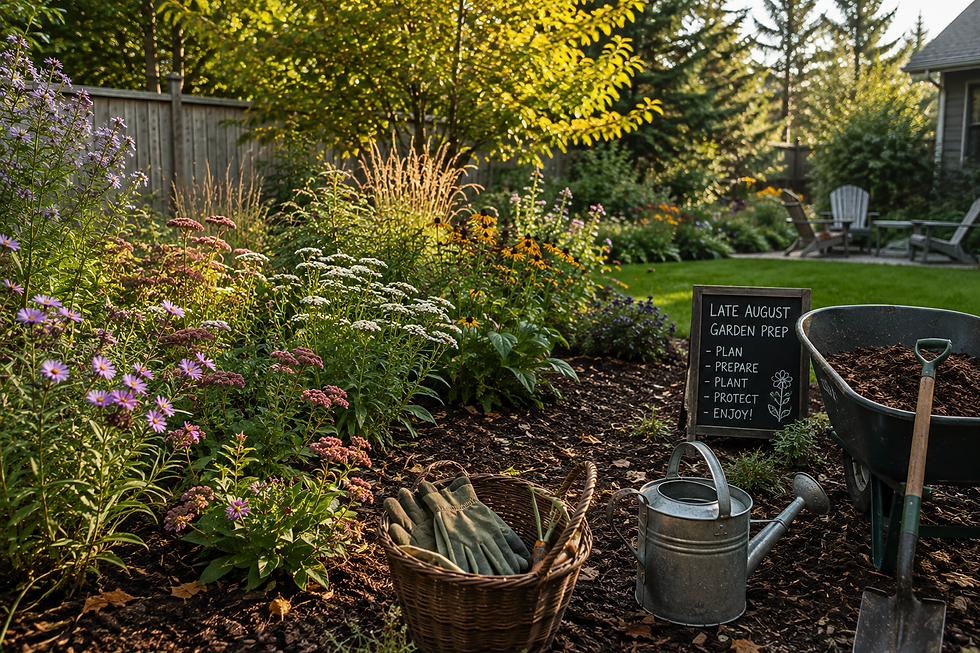
Winter rain can leach nutrients and compact unprotected soil. Mulching prevents erosion, moderates temperature, and feeds microbial life. Choose natural, local materials like:
Shredded leaves (free and full of nutrients)
Composted wood chips from untreated sources
Straw (great for veggie beds)
Aim for a 2-3 inch layer. This thickness is enough to insulate while still allowing rainwater to penetrate.
2. Keep It Moist (But Not Muddy)
Soil organisms thrive on moisture and oxygen. However, waterlogged soil drives out air and suffocates roots. Create drainage pathways using gravel, logs, or gentle swales. These features guide excess rainwater toward planted areas. Rain gardens featuring Sword Fern, Red Columbine, or Slough Sedge help capture runoff while supporting biodiversity.
3. Feed the Microbes, Not Just the Plants
Healthy soil depends on fungal networks that share nutrients between plants. These networks break down organic matter and store carbon, acting as your yard’s hidden climate heroes. Avoid synthetic fertilizers in winter. Instead, apply a thin compost layer under your mulch. This serves as slow-release food for the microbes that work year-round.
4. Roots Remember
Leaving roots in place after plants die back keeps soil structure intact. It also provides food for soil life as they decompose. Pull annuals only if diseased; otherwise, let them fade naturally.
5. Trust the Process
Winter soil care isn’t about control; it’s about cooperation. By mimicking forest floor ecology, we let nature do the heavy lifting. The result? Healthier soil, stronger plants, and a yard that quietly regenerates itself.
6. The Importance of Soil Testing
Understanding your soil is crucial for effective winter care. Conduct a soil test to determine pH levels and nutrient content. This information helps you make informed decisions about amendments. A balanced soil supports plant health and resilience.
7. Incorporating Cover Crops
Consider planting cover crops during the winter months. These crops, such as clover or rye, protect the soil from erosion and improve its structure. They also add organic matter when tilled back into the soil in spring. This practice enhances soil fertility and promotes a thriving ecosystem.
8. The Role of Earthworms
Earthworms play a vital role in soil health. They aerate the soil and help decompose organic matter. Encourage earthworm activity by adding organic materials like kitchen scraps or leaf litter. A thriving earthworm population indicates healthy soil.
9. The Benefits of Organic Matter
Adding organic matter, such as compost or well-rotted manure, enriches the soil. It improves water retention and provides essential nutrients. Regularly incorporating organic matter into your soil will lead to a more productive garden.
10. Conclusion: A Living Soil for a Thriving Garden
Winter is a time for reflection and preparation. By caring for your soil now, you set the stage for a flourishing garden in the spring. Remember, the health of your garden starts beneath your feet. For more tips on creating a winter-friendly garden, visit yardsurgeons.ca.
604-351-3147 | @yard_surgeons


Comments