


Late Summer Garden Prep: 7 Things to Do Before September
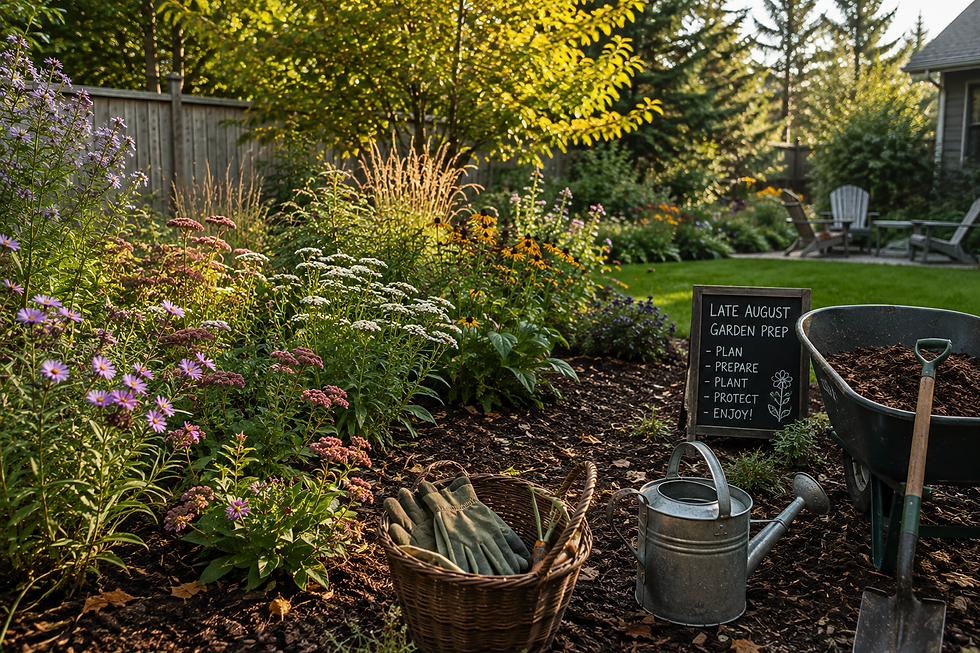
Late August is a quiet turning point in the garden. Summer is still hanging on, but cooler evenings are coming, the days are getting shorter, and the first signs of autumn are beginning to appear.
If you're planning to add native plants, create a pollinator garden, or simply give your existing landscape a little attention, this is a great time to prepare.
You don't need to do everything at once. A few thoughtful jobs now can make September and October much easier.
1. Take a Good Look at Your Garden
Before you start cutting, digging, or buying plants, take a walk around your yard.
Notice:
Where is the garden still getting full sun?
Which areas dry out quickly?
Where does water collect after rain?
Which plants are thriving?
Where could you create more habitat?
Late summer gives you a useful snapshot of how your garden actually performs.
Make a few notes now. They'll be valuable when you're choosing plants and planning changes this fall.
2. Start Preparing New Garden Beds
If you've been thinking about replacing a section of lawn with native plants, late August is a good time to start preparing the space.
You can begin by:
Marking out the shape of the new bed
Removing unwanted lawn or invasive plants
Improving compacted soil where needed
Creating clear planting areas
Adding a layer of mulch to protect exposed soil
Preparing the space now means you'll be ready when fall planting conditions arrive.
3. Don't Rush to Cut Everything Back
A garden doesn't need to look perfectly tidy as summer comes to an end.
Seed heads, stems, leaves, and spent flowers can provide food and shelter for birds, insects, and other garden visitors.
Before removing a plant, take a moment to ask:
Does this really need to be cut back right now?
In many cases, leaving some natural structure in place is better for the garden and the wildlife that depends on it.
4. Keep an Eye on Water
Late summer can still bring dry conditions across the Lower Mainland.
Newly planted gardens and established plants may need supplemental watering, particularly during extended periods without rain.
Water deeply when needed rather than giving plants frequent, shallow watering.
And remember to check your garden beds, containers, and young trees. They can dry out faster than they appear.
5. Make a Fall Planting List
If you're planning to add native plants this year, don't wait until you're standing at the nursery to decide what you need.
Start making a list now.
Think about:
Sun: Full sun, part sun, or shade?
Height: What will work at the front, middle, and back of the garden?
Bloom time: Can you provide flowers across several seasons?
Habitat: Which plants will provide food or shelter for pollinators and birds?
A little planning can turn a collection of plants into a functioning garden ecosystem.
6. Watch for the Return of Rain
One of the reasons fall can be such a good time for planting in the Lower Mainland is that cooler temperatures and seasonal rainfall can make establishing new plants easier.
As the weather begins to shift, keep an eye on soil moisture.
You don't need to wait for a perfect rainy day, but planting when conditions are cooler and the soil has adequate moisture can reduce stress on new plants.
7. Get Your Garden Plan Ready
If creating a pollinator-friendly native garden is on your list this year, late August is the perfect time to get organized.
This is exactly why we created our DIY Pollinator Garden Plans.
They're designed for Lower Mainland growing conditions and give you a clear starting point, from choosing the right location and preparing the garden bed to selecting plants and creating your planting layout.
Instead of wondering where to begin, you can spend late summer getting everything ready so you're prepared for fall planting.
A Garden Doesn't Have to Be Perfect
Late summer gardening isn't about getting everything done before September arrives.
It's about paying attention.
Notice what is working. Leave space for wildlife. Prepare where you can. Make a plan for what comes next.
The best gardens aren't created in a single weekend. They evolve over time, responding to the seasons, the soil, the plants, and the wildlife that calls them home.
So before summer slips away, take one more slow walk through your garden.
There may be more happening there than you think.
Planning a Native Garden This Fall?
If you're ready to create a pollinator-friendly garden of your own, explore our DIY Pollinator Garden Plans, designed to help Lower Mainland homeowners plan and plant with confidence.
And if you're on the North Shore and would rather have the work done for you, Yard Surgeons can help with native garden design and installation.
For more tips on creating a wildlife-friendly garden, visit yardsurgeons.ca.
604-351-3147 | @yard_surgeons


Comments