


Pruning Native Plants: A Sustainable Approach for Your Vancouver Garden
Updated: Apr 6
Late February on the North Shore feels like a turning point. The rain softens. The light stretches a little longer each evening. Hellebores begin to nod. Suddenly, many homeowners feel the urge to grab the pruners. But when it comes to native gardens, timing matters. Cut too early, and you may disturb overwintering pollinators. Cut too late, and you risk damaging fresh spring growth. The goal is not a hard reset. It is a thoughtful transition from winter rest to spring renewal. Here is how to approach pruning your native plants the sustainable way.
First Rule: Wait for Consistent Mild Weather
Many beneficial insects overwinter inside hollow stems, dried seed heads, and leaf litter. Mason bees, lacewings, and small pollinators rely on that protection until temperatures consistently reach about 10°C during the day. On the North Shore, that often means late February or even mid-March, depending on the year.
Before cutting back, ask yourself:
Are daytime temperatures consistently mild?
Do I see signs of new growth at the base of the plant?
Are bees beginning to emerge?
If the answer is yes, you are likely safe to begin.
What to Cut Back in Late Winter
Some native plants benefit from a clean-up before spring growth fully takes over.
Native Grasses
Tufted Hairgrass and other native grasses can be trimmed down to about 10 to 15 cm above the ground before new blades emerge. This keeps them tidy and encourages fresh growth without stressing the plant.
Tip: Use sharp, clean shears and avoid cutting into new green shoots.
Herbaceous Perennials
Plants like Yarrow and Red Columbine can be cut back once you see fresh basal growth forming. Remove old, floppy stems and compost them on site if possible. If you notice hollow stems, consider cutting them to 20 cm and leaving them bundled in a quiet corner of the garden. Pollinators may still be using them.
Red-Flowering Currant (Ribes sanguineum)
This early bloomer should be pruned after it flowers, not before. If you cut it back now, you risk removing this season’s blooms. Late spring is the ideal time to shape it gently and remove any crossing or damaged branches.
What to Leave Alone for Now
Some plants are best left untouched until later in spring.
Salal
Salal rarely needs pruning. Remove only damaged or winter-burned leaves. It thrives with minimal interference.
Sword Fern
In late winter, you can remove old, browned fronds at the base of the plant. Be careful not to disturb the tightly curled fiddleheads emerging from the center.
Kinnikinnick
This hardy groundcover typically requires no pruning at all. Simply remove debris caught within the foliage.
A Gentle Approach to Shrubs
For native shrubs, February is more about assessment than heavy cutting. Look for:
Broken branches from winter storms
Areas of overcrowding
Signs of disease or rubbing stems
Remove only what is necessary to improve structure and airflow. Native shrubs are adapted to our climate and usually need far less shaping than ornamental imports.
Prune With Purpose, Not Perfection
A native garden is not meant to look overly manicured in February. It is meant to look alive. Seed heads feed birds. Stems shelter insects. Leaf litter protects soil.
When pruning, aim to:
Improve plant health
Support biodiversity
Prepare for new growth
Maintain a natural shape
Avoid:
Shearing everything at once
Removing all winter habitat
Using noisy gas-powered tools that disrupt wildlife
At Yard Surgeons, we use quiet electric tools to keep maintenance gentle on both your garden and the surrounding ecosystem.
Signs Your Garden Is Ready for a Spring Refresh
By late February, you may notice:
Fresh green shoots pushing through the soil
Bulbs beginning to bloom
Increased bird activity
Early pollinator sightings
These are signals that your garden is waking up. A light pruning session now sets the stage for strong, balanced growth in March and April.
Not Sure What to Cut Back?
You are not alone. Native plant timing can feel nuanced, especially in a climate like ours, where winter is mild but unpredictable. If you would like a second set of eyes on your landscape, we are now booking Spring Garden Tune-Ups across North Vancouver and the North Shore.
We focus on:
Native plant pruning
Soil care and compost top-dressing
Habitat-sensitive cleanups
Sustainable garden preparation
Let’s help your garden wake up gently and grow beautifully.
Embracing Sustainable Gardening Practices
Sustainable gardening is not just a trend; it's a way of life. It involves making choices that benefit the environment while creating a beautiful outdoor space. By embracing eco-friendly practices, we can transform our gardens into havens for wildlife.
The Importance of Native Plants
Native plants are the backbone of a sustainable garden. They are adapted to local conditions and require less water and maintenance. They also provide food and habitat for local wildlife. By choosing native species, we create a thriving ecosystem right in our backyards.
Composting: A Simple Step Towards Sustainability
Composting is an easy way to reduce waste and enrich your garden soil. By composting kitchen scraps and yard waste, you create nutrient-rich soil that supports healthy plant growth. This practice not only benefits your garden but also reduces the amount of waste sent to landfills.
Water Conservation Techniques
Water is a precious resource, especially in the warmer months. Implementing water conservation techniques, such as rainwater harvesting and drip irrigation, can significantly reduce water usage. These methods ensure that your plants receive the moisture they need without wasting water.
Creating Wildlife Habitats
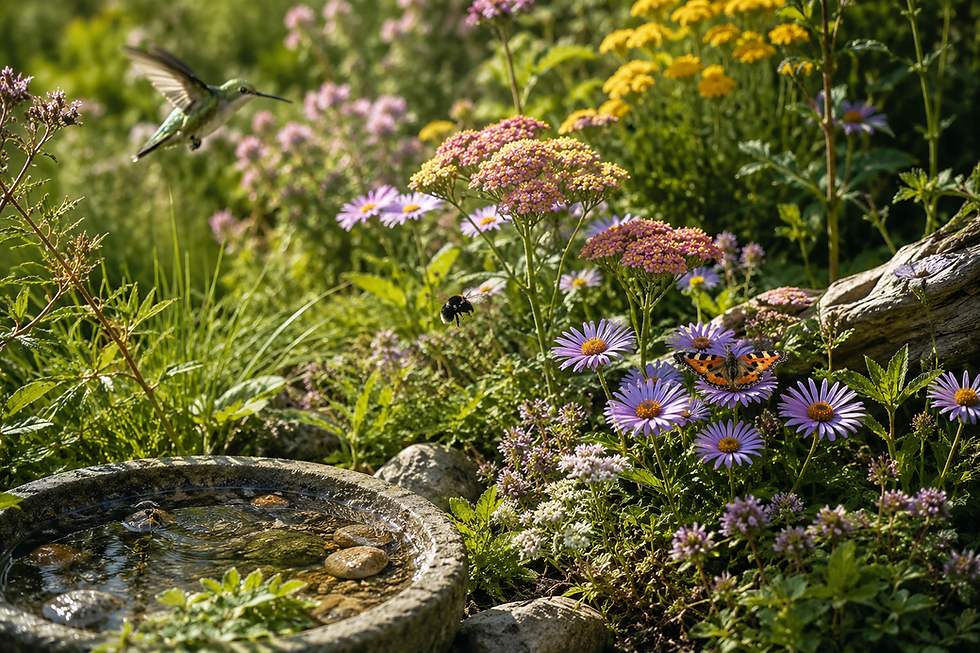
Incorporating elements that attract wildlife can enhance your garden's biodiversity. Consider adding birdhouses, bee hotels, and native flowering plants to create a welcoming environment for pollinators and birds. These small changes can have a big impact on the local ecosystem.
For more tips on creating a wildlife-friendly garden, visit yardsurgeons.ca.
604-351-3147 | @yard_surgeons

Comments