


Spring Garden Clean-Up, the Native Plant Way

A softer approach to a healthier, more resilient garden

April arrives with energy. Fresh growth pushes through the soil, birds return, and everything begins to feel alive again. It is also the time many homeowners feel the urge to tidy, trim, and reset their yards.
But in a native garden, spring clean-up looks a little different.
Instead of clearing everything away, the goal is to support what is already happening. A thoughtful approach protects pollinators, strengthens soil, and sets your garden up for a season of balanced growth.
Here is how to approach spring clean-up the native plant way.
Start with Observation, Not Action
Before picking up tools, take a slow walk through your garden.
Look for:
New shoots emerging at the base of plants
Areas where water may still be pooling
Plants that did not make it through winter
Spaces that feel bare or overcrowded
This first step matters. It helps you respond to your garden, instead of forcing it into a fixed idea of what it should be.
Leave Habitat Where You Can
One of the biggest differences between conventional and native garden care is what you choose to leave behind.
Hollow stems, leaf litter, and seed heads are not mess. They are habitat.
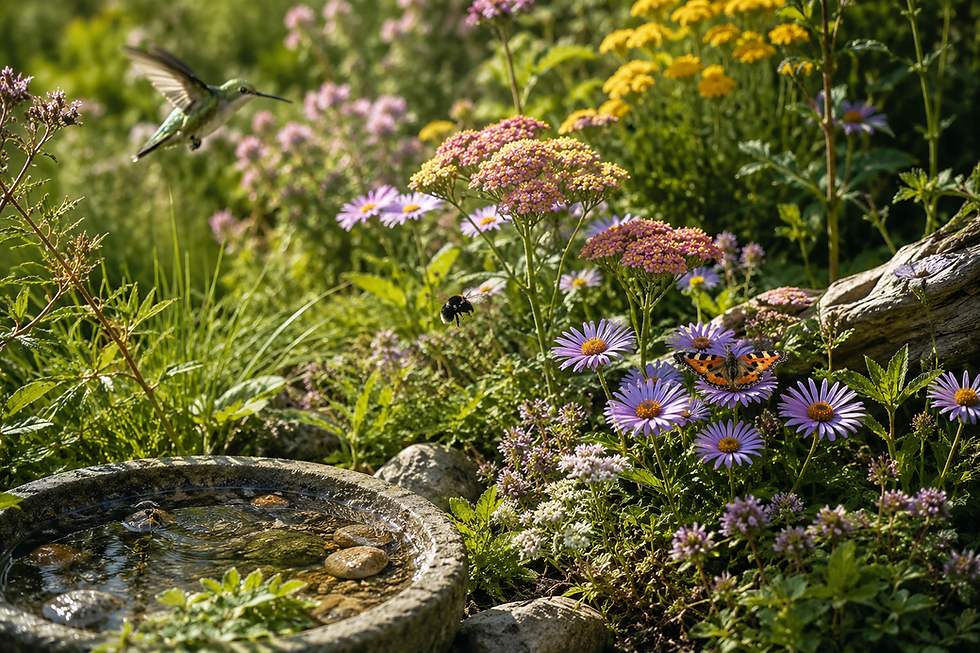
By April, many pollinators are beginning to emerge, but not all at once. Some are still sheltering in last year’s stems.
What to do:
Cut back dead stems gradually, not all at once
Leave some stems standing in less visible areas
Keep leaf litter under shrubs and in garden beds
This small shift supports biodiversity in a big way.
Gentle Cutting Back
Spring is the right time to remove old growth, but it should be done with care.
Focus on:
Cutting back flattened or rotting stems
Trimming grasses before new blades fully take over
Removing any clearly dead or damaged material
Avoid:
Shearing everything to the ground
Cutting into fresh green growth
Over-pruning shrubs that are about to bloom
A good rule is simple. If a plant is already growing, let it lead.
Feed the Soil Naturally
After a long, wet winter, your soil benefits from a light boost.
Instead of synthetic fertilizers, use natural inputs that support long-term soil health.
What works well:
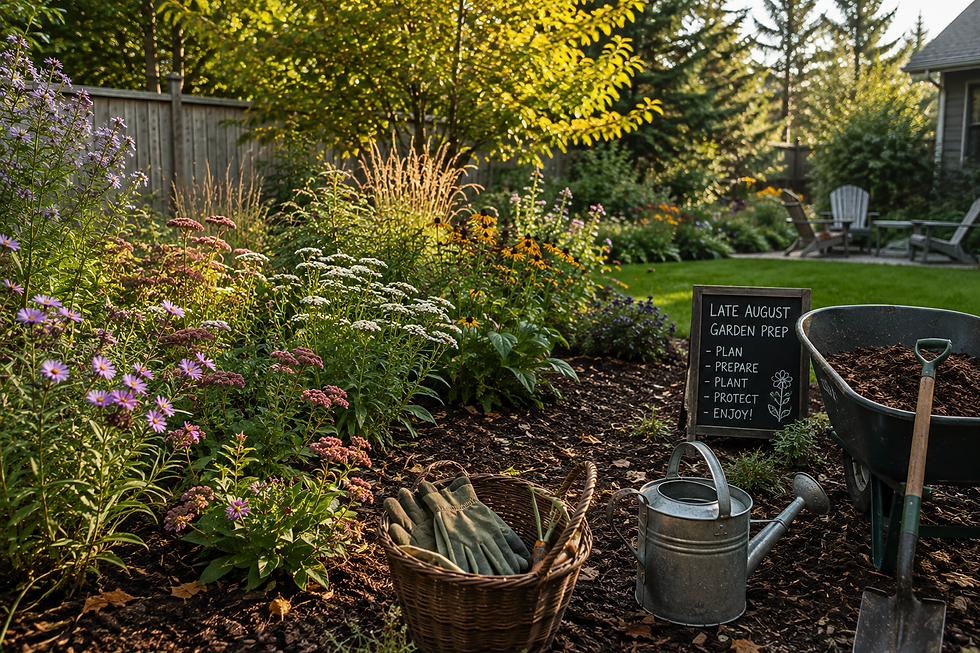
A thin layer of compost
Fresh mulch using leaves or untreated wood chips
Letting organic matter break down in place
Healthy soil supports everything else. When you care for the soil, the plants follow.
Make Space for New Growth
Spring is also a time to gently shape your garden.
Look for opportunities to:
Divide overcrowded perennials
Remove invasive weeds before they spread
Open up space for light and airflow
Plan areas for new native plantings
You do not need to redesign everything. Small adjustments can make a big difference.
Check Drainage and Moisture
April still brings rain on the North Shore, and how your garden handles that water matters.
Watch for:
Areas where water sits too long
Compacted soil
Erosion on slopes or edges
Simple fixes like adding mulch, adjusting grading, or planting moisture-loving natives can help your garden absorb and use water more effectively.
Let the Garden Feel Alive
A native garden in April should not look overly tidy. It should feel alive.
There will be variation. Some areas will still look like winter, while others are already full of growth. That contrast is part of a healthy, functioning ecosystem.
When you clean up with intention, you keep that balance.
A Different Kind of Care
Spring garden clean-up does not need to be a full reset. It is an opportunity to support the systems already in place.
By working with nature instead of against it, you create a yard that is:
Lower maintenance
More resilient
Better for pollinators and wildlife
More connected to the North Shore landscape
Need a Hand This Spring?
If your garden could use a thoughtful refresh, we are now booking Spring Garden Tune-Ups across North Vancouver and the North Shore.
We focus on:
Native plant care and pruning
Habitat-sensitive clean-ups
Soil health and mulching
Sustainable garden preparation
Let’s get your garden ready for the season ahead, naturally.
For more tips on creating a wildlife-friendly garden, visit yardsurgeons.ca.
604-351-3147 | @yard_surgeons

Comments